No. 754
Crime, Eccentricity, and the Sporting Life in 19th Century America.
November 22, 2026
Tag: Rhode Island

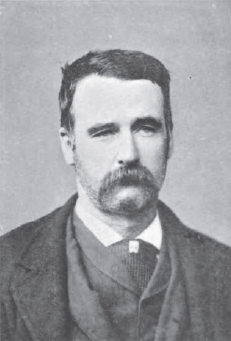
Of the many forms of bank robbery, the bank sneak had the safest, easiest and most lucrative method of all.
January 7, 2020


alias: COMBO, HAMILTON
NightStick.Models.CriminalSpecialty
Strange Company
Weekend Link Dump - 11/20/2026
Welcome to this week's Link Dump, where our host will be the lovely Puff, 1914 pride of HMS Caroline!Watch out for the Loveland Frogman!The toothache that was lucky for the Sex Pistols.A wedding trip gets unexpected publicity.Two murders in Pennsylvania's coal region.The secrets of a sunken treasure ship.A 2,000 year old murder.The Loch Ness Monster meets British mythology.The real Robert
More...

Soapy Smith's Soap Box
"As his son I am proud of hisefforts to succeed in life"Jefferson Randolph Smith IIIArtifact #93-2Jeff Smith collection(Click image to enlarge)
oapy's son hires a legal firm to stop the defamation of his father's name.
At age 30, Jefferson Randolph Smith III, Soapy and Mary's oldest son, was protecting his father's legacy and his mother's reputation from "libel" and scandal. He was also
More...
Ephemeral New York
You can just make out the golden arches in a faded ad for one of the oldest McDonald’s in New York City - 11/16/2026
New York is a ghost town of weathered ads on the sides of buildings. And when you spot one of these relics, you usually won’t recognize the business or brand, which typically has long departed the cityscape. But wait, is that a giant M in a red square and a pair of golden arches on […]
More...
Executed Today
1617: A miller of Manberna, the hangman’s last - 11/13/2020
Youth With Executioner by Nuremberg native Albrecht Dürer … although it’s dated to 1493, which was during a period of several years when Dürer worked abroad. November 13 [1617]. Burnt alive here a miller of Manberna, who however was lately … Continue reading
More...
Murder By Gaslight
Tragedy Caused by a Cruel Joke. - 11/21/2026
(Philadelphia Inquirer, August 25, 1897.) On
August 23, 1897, William Rooney, a 25-year-old bicycle store manager, sent a message
to his 19-year-old paramour, Verona Sellhelm:
Philadelphia,
Aug. 23, 1897
Dear Verona:
Please let me know if I can see you this evening; if so, where.
Yours truly,
W.R.
The response
he received was:
Will see you
tonight at 8
More...
Lizzie Borden: Warps and Wefts
Preliminary August 25-September 1st - 8/29/2026
Be sure to stop by our facebook page for daily coverage of the preliminary hearing featuring testimony, cartoons and vintage newspaper clippings. https://www.facebook.com/lizziebordenwarpsandwefts/
More...
Early American Crime
Convicts to Maryland, 1773 by Peter Dickson - 2/7/2019
[Editor’s note: Guest writer, Peter Dickson, lives in West Sussex, England and has been working with microfilm copies of The Duncan Campbell Papers from the State Library of NSW, Sydney, Australia. The following are some of his analyses of what he has discovered from reading these papers. Dickson has contributed many transcriptions to the Jamaica […]
More...
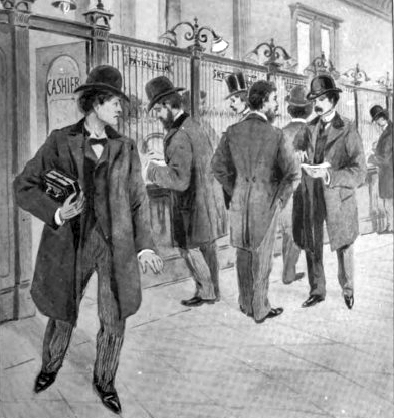 Of the many forms of bank robbery, the bank sneak had the safest, easiest and most lucrative method of all. Holdup men risked their lives and the lives of others by demanding money at the point of a gun. Bank burglars worked in large gangs, with elaborate plans that always involved the physical labor of cutting, pounding, prying or blasting to get though iron bars and steal vaults. But a skilled bank sneak just walked into a bank, took what he wanted and left.
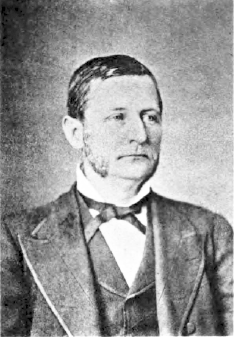 Walter Sheridan
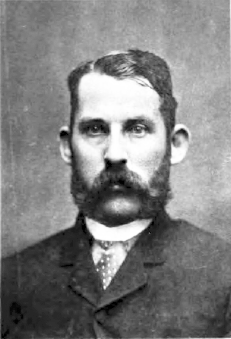 Horace Hovan
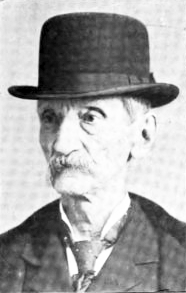 Chauncey Johnson
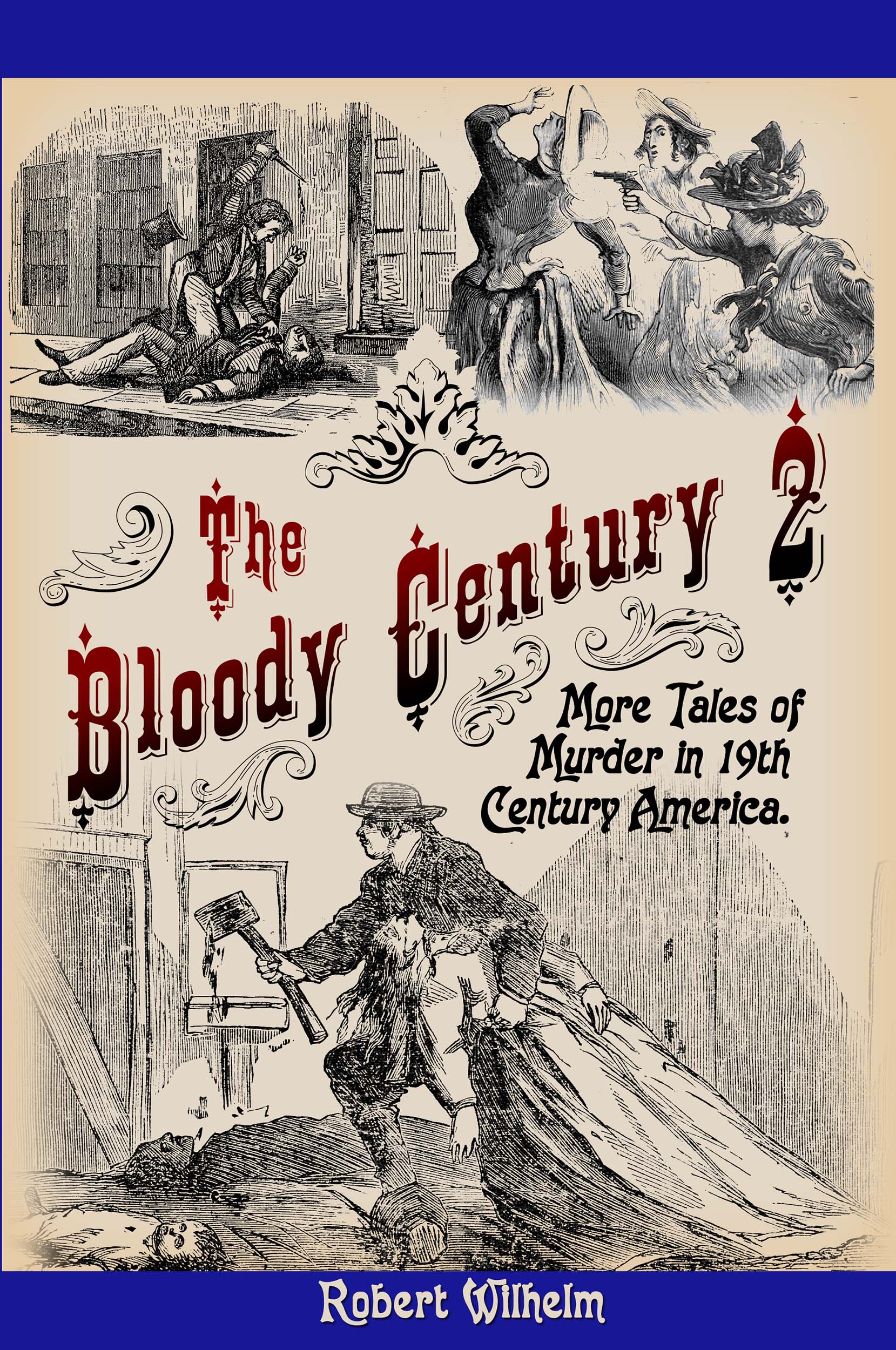
The Bloody Century 2
Takes the reader back to 19th-century America in all its gory glory.