




Tag: Gambling
A Female Card Sharp.
A female gambler detects an opponent cheating and rakes in the pot.

The New City of Leadville.
A gambling saloon on one of the main streets of Leadville.
Bucking the Tiger
In a Cheyenne gambling Saloon.
The Scandal Which Agitates St. Louis.
Astounding Revelations of a Low Cunning and Vile Curiosity in One of the Proprietors of the Grand Opera House.
"Bet Anything You've Got."
Jim Tuttle startles a faro bank party, at Gold Hill, Neb.
A Female Gambling House in Boston.
They call it the "retreat" because of its charming privacy and apparent obscurity.
A Woman Gambler in Nevada.
She Bucks the Tiger and Quits $200 Ahead.
Forex news live
Two female athletes at Virginia City, Nevada, indulge in a wrestling match for the championship.
Renewed Activity of "The Finest."
The Police Succeed in Breaking Up Another Gambling Establishment.
They Ran a Snide Game.
A “friendly” poker scheme exposed at Bogota, N. J., by one of the players squealing.
Take a Chance?
Many a one, who otherwise would not contribute a dime, will take a chance in a lottery.
Thimble Rig A La Mode.
New York Society Classified.
The Old Shell Game
The Bunco Game
The term “bunco” has come to mean to any type of swindle, but in the 19th century it usually referred to a confidence game involving crooked gambling.
Strange Company - 11/16/2026
Early American Crime - 2/7/2019
Soapy Smith's Soap Box - 10/13/2025
Murder By Gaslight - 11/14/2026

Executed Today - 11/13/2020
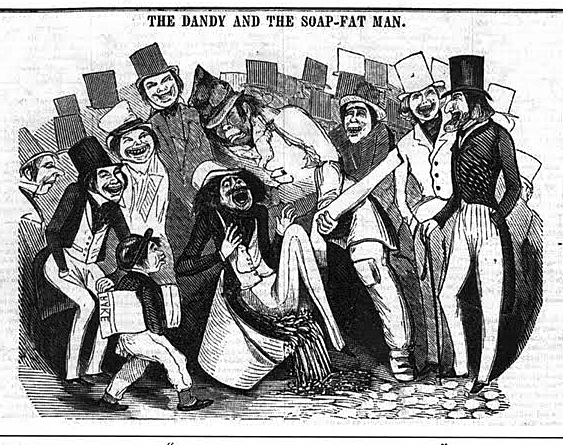
Nature versus Art. | Society Unveiled.
The Southern Pacific Railway Disaster.
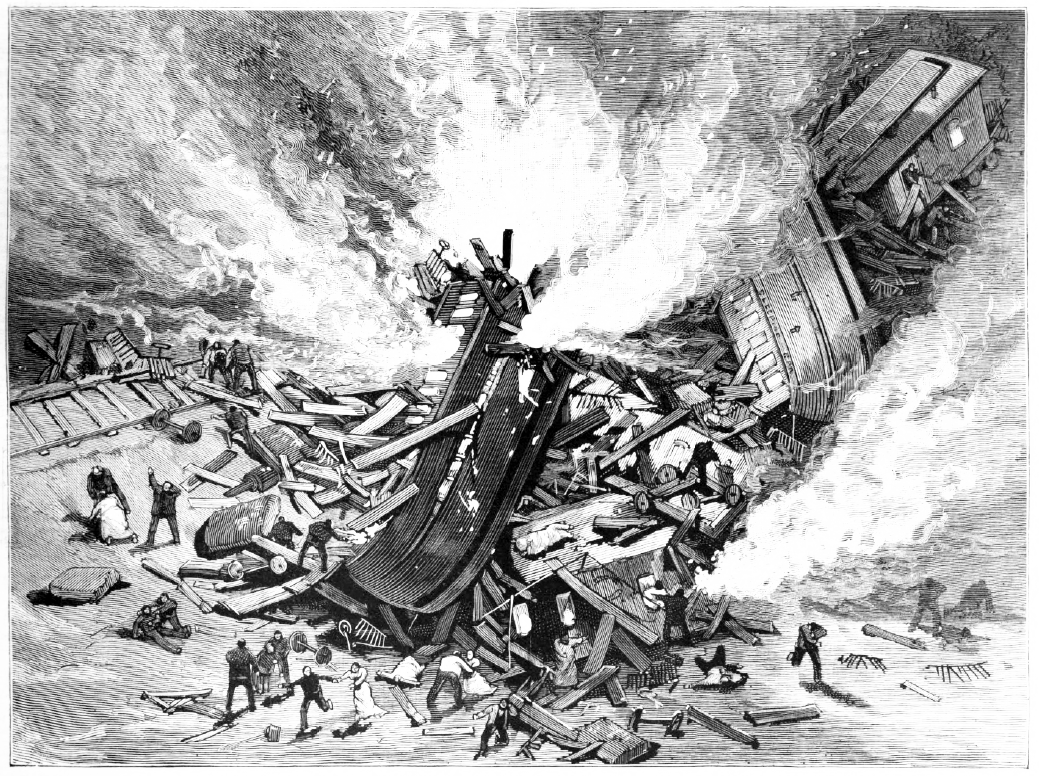
California. – The disaster on the Southern Pacific Railroad at Telegraph Pass, January 19th.
[more]One of the most terrible railroad disasters on record occurred on the Southern Pacific Railroad, near Tehachapi, Cal., about midnight on January 19th. The road at this point crosses the mountains through a pass, after having toiled up a grade of 105 feet to the mile for twenty-six miles. While the express train which had left San Francisco the day before was stopping at the station on the summit to detach an extra engine, it broke loose and started down the incline. The train gathered headway quickly, and was soon dashing down the grade at the rate of a mile a minute. At a sharp curve of the road the coach and smoker, where were ahead, broke the coupling and separated from the rest of the train, making the turn safely. The sleeping-cars and the mail, express and baggage cars were dashed against a high bank and then thrown back, rolling down an embankment. The lamps and stove at once set fire to the wreck, which was instantly in a blaze. The passengers in the sleeping-cars had retired, and had scarcely been awakened by the terrible speed with which the train dashed down the mountain before the crash came. A few escaped uninjured, or with only slight bruises, but the rest were either killed outright or burned to death in the flames. The night was intensely cold, and the point where the disaster occurred was a considerable distance from any settlement, so that little could be done for the sufferers until help arrived from Tehachapi.
In some instances a few handfuls of whitened bits of bones were all that remained of what had been a human form, and it was with great difficulty that the remains of several victims were identified. The number of dead is believed to have been thirteen, of whom the most prominent was the wife of ex-Governor Downey, of California, while several other were badly injured.
The disaster was at first attributed to carelessness of the train hands. It was said that the air-brakes had been taken off, and the men who tended the hand-brakes were away from their posts, one attending to switching the engine, and the other relighting his extinguished lamp. The railroad officials, however, declare that the accident was the result of an attempt to rob the express car. They claim that the hand-brakes were properly set by the brakemen, but that, while one of the was escorting a lady to the station, some miscreants let off the brakes and started the train down the grade in order to get it away from help and in a position where the express car could be robbed. Being inexperienced, they lost control of the train, and the disaster occurred. Some support is lent to this theory by the fact that when the train drew into the station two men were seen there who were subsequently found dead in the wreck, and who are as yet unidentified.
"The Southern Pacific Railway Disaster." Frank Leslie's Illustrated Newspaper 3 Feb 1883.
Welcome to the National Night Stick
"We follow vice and folly where a police officer dare not show his head, as the small, but intrepid weasel pursues vermin in paths which the licensed cat or dog cannot enter."The Sunday Flash 1841


- 1810s
- 1820s
- 1830s
- 1840s
- 1850s
- 1860s
- 1870s
- 1880
- 1880s
- 1890
- 1890s
- Abduction
- Abortion
- Accident
- Actors
- Adultery
- Advertisement
- African Americans
- Alabama
- Alcohol
- Allan Pinkerton
- America
- Animal
- Assault
- Axe Murder
- Bank Robbery
- Barnum
- Baseball
- Beer
- Bet
- Bicycle
- Billiards
- Bio
- Boston
- Boxing
- Boys
- Broadway
- Brooklyn
- Brothel
- Buffalo
- Burglar
- Burglary
- Burlesque
- California
- Canada
- Cartoon
- Censorship
- Chicago
- children
- Chorus Girls
- Christmas
- Cincinnati
- Civil War
- Clergy
- Clubbing
- College
- Colorado
- Comstock
- Con Game
- Connecticut
- Counterfeit
- Court
- Cowboy
- Crime
- cross-dressing
- Crossdressing
- Cursing
- Dancing
- Deception
- Delinquents
- Denver
- Detectives
- Detroit
- Dime Novels
- Disaster
- Disguise
- Disorderly conduct
- Divorce
- Domestic Violence
- Drowning
- Duel
- Editorial
- Election
- Entertainment
- Event
- Fad
- Family
- Fashion
- Fight
- Fire
- Florida
- Food
- Football
- Forger
- Fraud
- Gambling
- Gangs
- Georgia
- Great Detectives
- Gunshot
- Hoax
- Holiday
- Horses
- Hotel
- Illinois
- Indiana
- Insanity
- Jail Break
- Jealousy
- Justice
- Kansas
- Kentucky
- Little Murders
- Louisiana
- Lynching
- Maine
- Marriage
- Maryland
- Massachusetts
- Medicine
- Michigan
- Minnesota
- Missouri
- Montana
- Murder
- Music
- Nevada
- New Hampshire
- New Jersey
- New Orleans
- New Year
- New York
- New York City
- Newsboys
- Newspaper
- Nudity
- Obscenity
- Ohio
- Opium
- Pennsylvania
- Performer
- Petrified man
- Photography
- Pickpocket
- Poisoning
- Police
- Police Gazette
- Politics
- Prank
- Prison
- Prostitution
- Railroad
- Rape
- Rats
- Reform
- Religion
- Reporters
- Revenge
- Rhode Island
- Robbery
- Romance
- Saloon
- San Francisco
- Scandal
- Science
- Seasonal
- Sex
- Slashing
- Society
- Spiritualism
- Sport
- Sports
- Spousal Abuse
- St. Louis
- Stabbing
- Steamboat
- Steamship
- Stock Broker
- Suicide
- Summer
- Tammany Hall
- Temperance
- Tennessee
- Texas
- Theatre
- Theft
- Thomas Byrnes
- Valentine
- Vigilantes
- Voyeur
- War
- Washington D.C.
- Wife beaters
- Winter
- Women