
No. 744
Crime, Eccentricity, and the Sporting Life in 19th Century America.
April 10, 2024
"He Loves Me; He Loves Me Not."
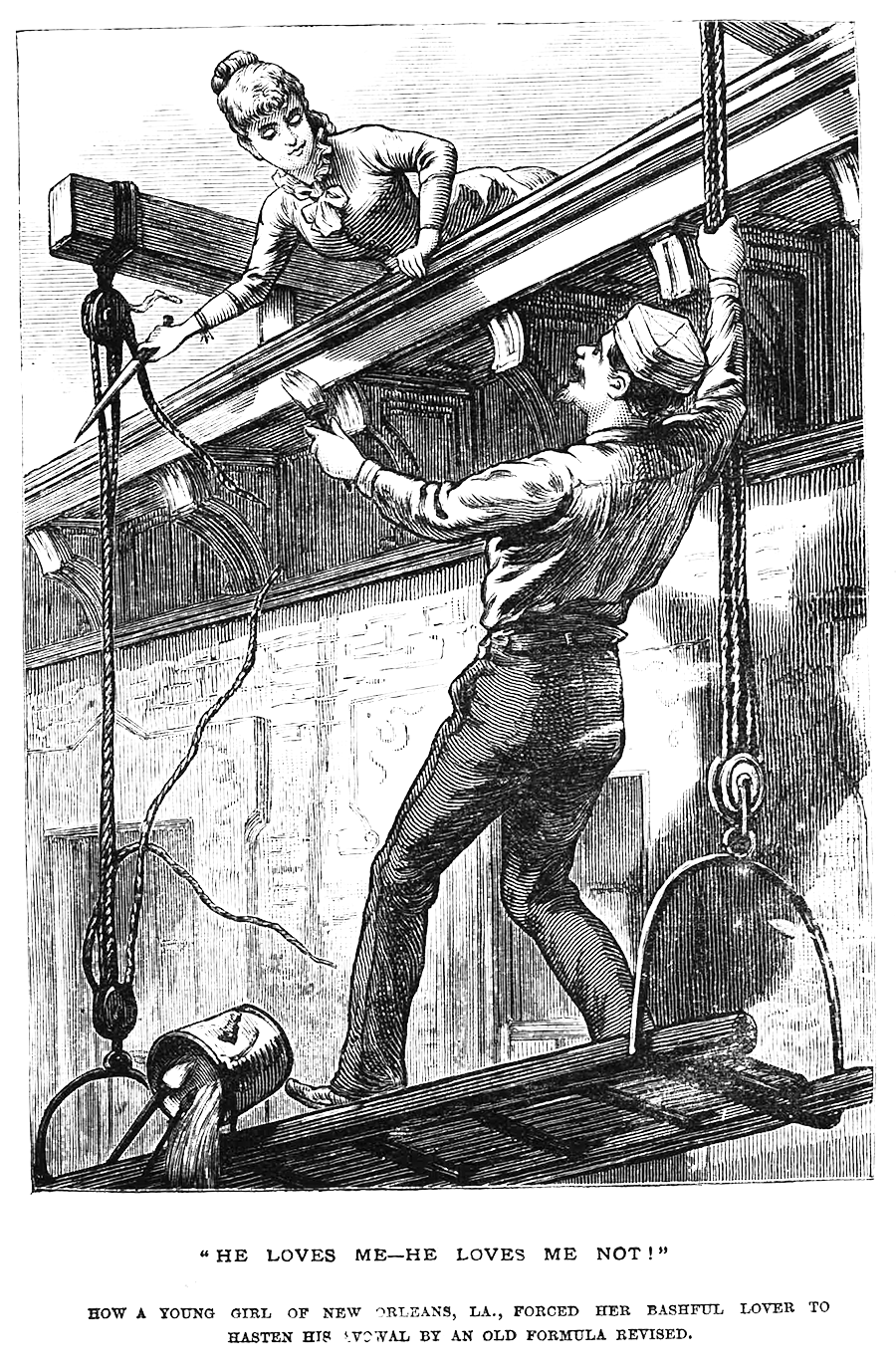
How Marie Played a Romantic Trick on Her Lover and Brought Him to Time.
April 10, 2024


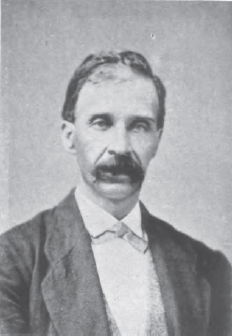
alias: DOCTOR ST CLAIR, DR EDW'D S WEST
HOTEL, BOARDING-HOUSE THIEF
Via Newspapers.comI guess you could say that this is one of those UFO stories that has everything, including satanic fungus. The “Jacksonville Journal,” January 28, 1974:After sighting an Unidentified Flying Object and being felled by a ray apparently from an occupant of the craft, a strange "devil's head" was found growing in his yard, a Jacksonville man has reported to the UFO Research
More...
Strange Company - 10/21/2026
[Editor’s note: Guest writer, Peter Dickson, lives in West Sussex, England and has been working with microfilm copies of The Duncan Campbell Papers from the State Library of NSW, Sydney, Australia. The following are some of his analyses of what he has discovered from reading these papers. Dickson has contributed many transcriptions to the Jamaica […]
More...
Early American Crime - 2/7/2019


"As his son I am proud of hisefforts to succeed in life"Jefferson Randolph Smith IIIArtifact #93-2Jeff Smith collection(Click image to enlarge)
oapy's son hires a legal firm to stop the defamation of his father's name.
At age 30, Jefferson Randolph Smith III, Soapy and Mary's oldest son, was protecting his father's legacy and his mother's reputation from "libel" and scandal. He was also
More...
Soapy Smith's Soap Box - 10/13/2025
Carlyle Harris and Helen Potts.(The Trial of Carlyle W. Harris for Poisoning His Wife, Helen Potts, at New York.)Helen Potts, a nineteen-year-old student at Miss Comstock’s School in New York City, decided not to join her roommates when they went to hear a concert. Helen was feeling ill, but her boyfriend (secretly her husband), a medical student named Carlyle Harris, had prescribed a
More...
Murder By Gaslight - 10/17/2026
Youth With Executioner by Nuremberg native Albrecht Dürer … although it’s dated to 1493, which was during a period of several years when Dürer worked abroad. November 13 [1617]. Burnt alive here a miller of Manberna, who however was lately … Continue reading
More...
Executed Today - 11/13/2020

 Here's a young girl of romantic temperament who yet would not sit like Patience on a monument smiling at grief or plan In a green and yellow melancholy until her lover made up his mind to declare his earnest intentions. Oh, no; she was one of your right sort who didn't believe in picking a rose to pieces leaf by leaf in a garden while interrogating blind lock whether he loved her or loved her not. She Was a New Orleans girl and her name was Marie Ravineau. He was a home pointer and a good hearted fellow, with everything admirable about him except that he would not talk right out. His name was Henry L. Jackson.
The Bloody Century 2
Takes the reader back to 19th-century America in all its gory glory.