No. 26
Crime, Eccentricity, and the Sporting Life in 19th Century America.
May 30, 2011
Duel of the Divas.

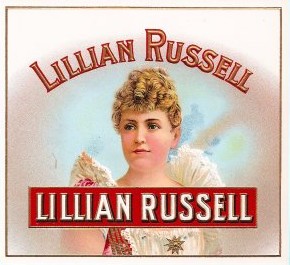
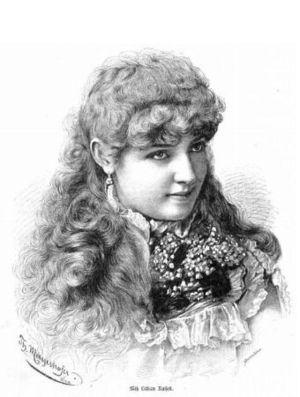
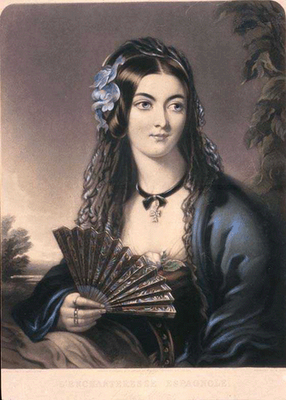
The question of who was more beautiful, Lillian Russel or Lola Montez was settled by two cowpokes in the Nevada desert in the 1890s.
May 30, 2011


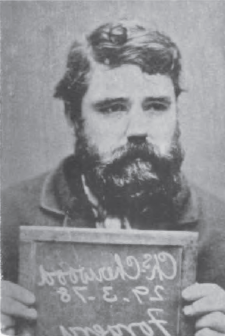
alias: PERRINE
BANK OF ENGLAND FORGER
Welcome to this week's Link Dump, which is so action-packed, not one, but four hosts were required!Two ships from the "dawn of naval aviation."It turns out that wild chimpanzees are pretty good drummers.If you're planning to visit the Grand Canyon, maybe think twice about that.I was in a happier frame of mind before I learned that there is a spider that can outrun humans.A really confusing
More...
Strange Company - 7/10/2026
The Confession of Mary Cole, 1813.Cornelius and Mary Cole lived in a farmhouse in Sussex County, New Jersey, with their two children and Mary’s widowed mother, Agnes Teaurs. Cornelius bought the property from Agnes in exchange for an annuity of $50 per year for the rest of her life. Mary and her husband did not live happily with Agnes. According to Mary, her mother was always very hard on her,
More...
Murder By Gaslight - 7/11/2026
Youth With Executioner by Nuremberg native Albrecht Dürer … although it’s dated to 1493, which was during a period of several years when Dürer worked abroad. November 13 [1617]. Burnt alive here a miller of Manberna, who however was lately … Continue reading
More...
Executed Today - 11/13/2020

Join us on our Facebook page as we begin counting down the days to August 4th and all of the events leading up to the day. https://www.facebook.com/lizziebordenwarpsandwefts
More...
Lizzie Borden: Warps and Wefts - 7/7/2026
If you’re curious about New York’s Gilded Age, then you’re familiar with certain recurring family names—like Astor, Vanderbilt, Morgan, Rockefeller, and Roosevelt. But what made these elite families so influential? How did they reshape and rule the city’s business and social worlds while leaving a lasting impact on the city of today? Starting July 29 […]
More...
Ephemeral New York - 7/10/2026
Join us on our Facebook page as we begin counting down the days to August 4th and all of the events leading up to the day. https://www.facebook.com/lizziebordenwarpsandwefts
More...
Lizzie Borden: Warps and Wefts - 7/7/2026
If you’re curious about New York’s Gilded Age, then you’re familiar with certain recurring family names—like Astor, Vanderbilt, Morgan, Rockefeller, and Roosevelt. But what made these elite families so influential? How did they reshape and rule the city’s business and social worlds while leaving a lasting impact on the city of today? Starting July 29 […]
More...
Ephemeral New York - 7/10/2026
"As his son I am proud of hisefforts to succeed in life"Jefferson Randolph Smith IIIArtifact #93-2Jeff Smith collection(Click image to enlarge)
oapy's son hires a legal firm to stop the defamation of his father's name.
At age 30, Jefferson Randolph Smith III, Soapy and Mary's oldest son, was protecting his father's legacy and his mother's reputation from "libel" and scandal. He was also
More...
Soapy Smith's Soap Box - 10/13/2025

Welcome to this week's Link Dump, which is so action-packed, not one, but four hosts were required!Two ships from the "dawn of naval aviation."It turns out that wild chimpanzees are pretty good drummers.If you're planning to visit the Grand Canyon, maybe think twice about that.I was in a happier frame of mind before I learned that there is a spider that can outrun humans.A really confusing
More...
Strange Company - 7/10/2026

The Bloody Century 2
Takes the reader back to 19th-century America in all its gory glory.