
No. 540
Crime, Eccentricity, and the Sporting Life in 19th Century America.
September 15, 2020
The Last Dip of the Season.
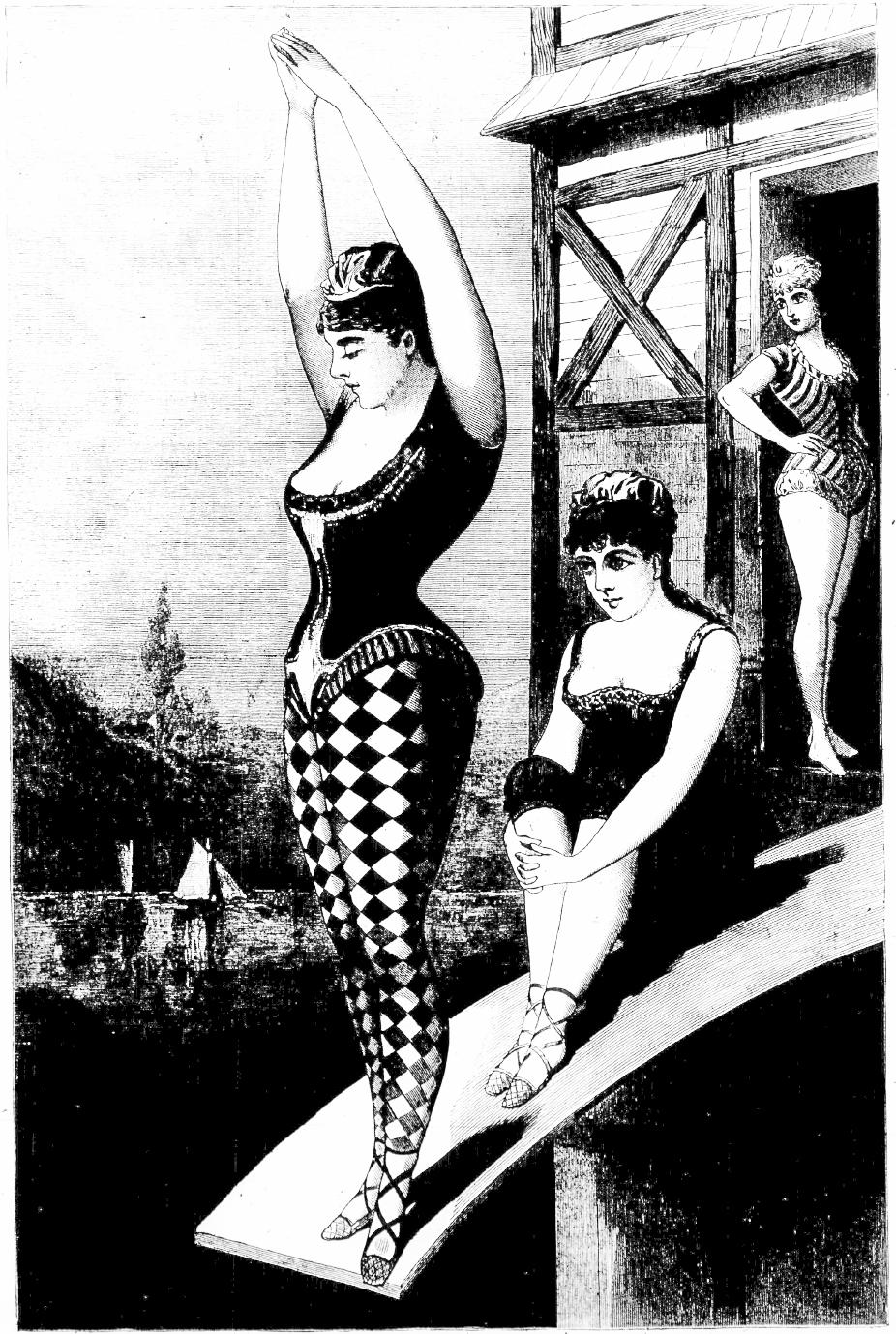
Water witches who frolic with Neptune, no matter how cold his embrace.
September 15, 2020


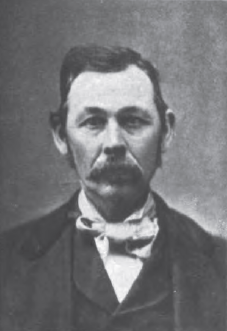
alias: BROOKS
HOTEL THIEF, SLEEPING-CAR WORKER
Welcome to this week's Link Dump!However, I'm not sure I like what the Strange Company HQ staffers are planning for today's menu.What the hell was the Dover Demon?An archaeological mystery near Yellowstone.A fatal obsession with an actress.The "f word" goes a long way back.In 1900, these were women's favorite weapons.A look at the latest book about Poe. It sounds a bit pretentious,
More...
Strange Company - 10/2/2026
[Editor’s note: Guest writer, Peter Dickson, lives in West Sussex, England and has been working with microfilm copies of The Duncan Campbell Papers from the State Library of NSW, Sydney, Australia. The following are some of his analyses of what he has discovered from reading these papers. Dickson has contributed many transcriptions to the Jamaica […]
More...
Early American Crime - 2/7/2019


"As his son I am proud of hisefforts to succeed in life"Jefferson Randolph Smith IIIArtifact #93-2Jeff Smith collection(Click image to enlarge)
oapy's son hires a legal firm to stop the defamation of his father's name.
At age 30, Jefferson Randolph Smith III, Soapy and Mary's oldest son, was protecting his father's legacy and his mother's reputation from "libel" and scandal. He was also
More...
Soapy Smith's Soap Box - 10/13/2025
William H. Devlin(Illustrated Police News, December 22, 1877)Shortly after noon on Monday, December 10, 1877, a man entered the Lowell, Massachusetts, Police Station in a highly excited state. He told Deputy Marshal Favor that he had heard a terrible fight between a husband and wife Saturday night in a tenement on Common Street. Since then, he had heard nothing from the house, and he feared the
More...
Murder By Gaslight - 10/3/2026
Youth With Executioner by Nuremberg native Albrecht Dürer … although it’s dated to 1493, which was during a period of several years when Dürer worked abroad. November 13 [1617]. Burnt alive here a miller of Manberna, who however was lately … Continue reading
More...
Executed Today - 11/13/2020

The Bloody Century 2
Takes the reader back to 19th-century America in all its gory glory.