
No. 318
Crime, Eccentricity, and the Sporting Life in 19th Century America.
August 01, 2016
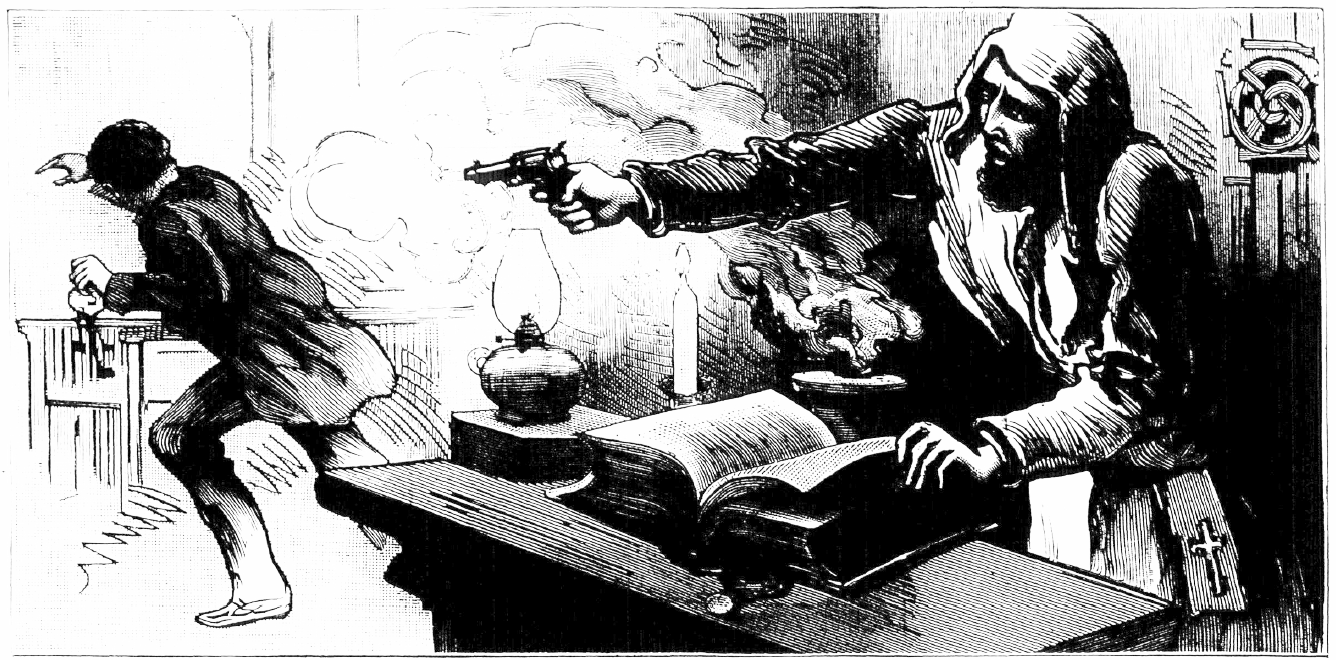
A Madman in the Pulpit.

Charles Emmons takes possessions of a Springfield, Mass., church and turns it into a fort.
August 1, 2016


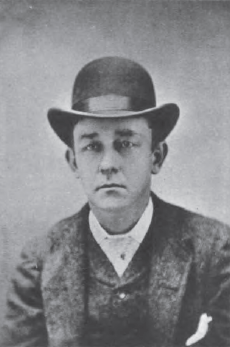
alias: BILLY PERRY, GRAHAM, WILSON
SNEAK, PICKPOCKET, SHOPLIFTER
"Tulsa World," September 9, 1976, via Newspapers.comIn the 1970s, Kenneth D. Bacon was the presiding judge of the Oklahoma State Court of Appeals. He was also a skilled amateur pilot. In short, he was an intelligent, competent, and extremely level-headed sort, one of the last people you would expect to provide Strange Company material. However, Bacon claimed that on a
More...
Strange Company - 5/4/2026
The upside to a constantly changing city is the sudden resurfacing of a faded store sign. Case in point: the outline of the “Cards-U-Like” Hallmark store on First Avenue between 75th and 76th Streets. I’m placing it in the late 1970s because of the cute cursive letters, and the earliest newspaper ads I could find […]
More...
Ephemeral New York - 5/4/2026

Whatever you believe about the guilt or innocence of Lizzie Borden, I have always believed film makers do a great injustice to the story by not beginning at the beginning- the death on March 26, 1863 of the first Mrs. Borden. In the dying moments of Sarah Morse, Emma takes on the weight of the care of her little sister, not yet three years old. Emma herself was just 12 on March 1st. Emma has seen her mother suffer for a long time, seen her pain and loss of little Alice Esther. Emma is old enough
More...
Lizzie Borden: Warps and Wefts - 3/26/2026

"Tulsa World," September 9, 1976, via Newspapers.comIn the 1970s, Kenneth D. Bacon was the presiding judge of the Oklahoma State Court of Appeals. He was also a skilled amateur pilot. In short, he was an intelligent, competent, and extremely level-headed sort, one of the last people you would expect to provide Strange Company material. However, Bacon claimed that on a
More...
Strange Company - 5/4/2026
Whatever you believe about the guilt or innocence of Lizzie Borden, I have always believed film makers do a great injustice to the story by not beginning at the beginning- the death on March 26, 1863 of the first Mrs. Borden. In the dying moments of Sarah Morse, Emma takes on the weight of the care of her little sister, not yet three years old. Emma herself was just 12 on March 1st. Emma has seen her mother suffer for a long time, seen her pain and loss of little Alice Esther. Emma is old enough
More...
Lizzie Borden: Warps and Wefts - 3/26/2026
"As his son I am proud of hisefforts to succeed in life"Jefferson Randolph Smith IIIArtifact #93-2Jeff Smith collection(Click image to enlarge)
oapy's son hires a legal firm to stop the defamation of his father's name.
At age 30, Jefferson Randolph Smith III, Soapy and Mary's oldest son, was protecting his father's legacy and his mother's reputation from "libel" and scandal. He was also
More...
Soapy Smith's Soap Box - 10/13/2025
(New York Evening Journal, March 18, 1898)Around 1
a.m. on September 2, 1896, Samuel Meyers ran out of the tenement at 202 East 29th
Street, screaming, “Murder! Murder! Police! Police!”
Patrolman
Tyler heard his cries and ran to the spot.
“My wife
is murdered!” said Meyers, “Somebody has killed my wife. She’s dead.”
Tyler and another
officer followed Meyers to a second-floor apartment.
More...
Murder By Gaslight - 5/2/2026

The upside to a constantly changing city is the sudden resurfacing of a faded store sign. Case in point: the outline of the “Cards-U-Like” Hallmark store on First Avenue between 75th and 76th Streets. I’m placing it in the late 1970s because of the cute cursive letters, and the earliest newspaper ads I could find […]
More...
Ephemeral New York - 5/4/2026

"As his son I am proud of hisefforts to succeed in life"Jefferson Randolph Smith IIIArtifact #93-2Jeff Smith collection(Click image to enlarge)
oapy's son hires a legal firm to stop the defamation of his father's name.
At age 30, Jefferson Randolph Smith III, Soapy and Mary's oldest son, was protecting his father's legacy and his mother's reputation from "libel" and scandal. He was also
More...
Soapy Smith's Soap Box - 10/13/2025
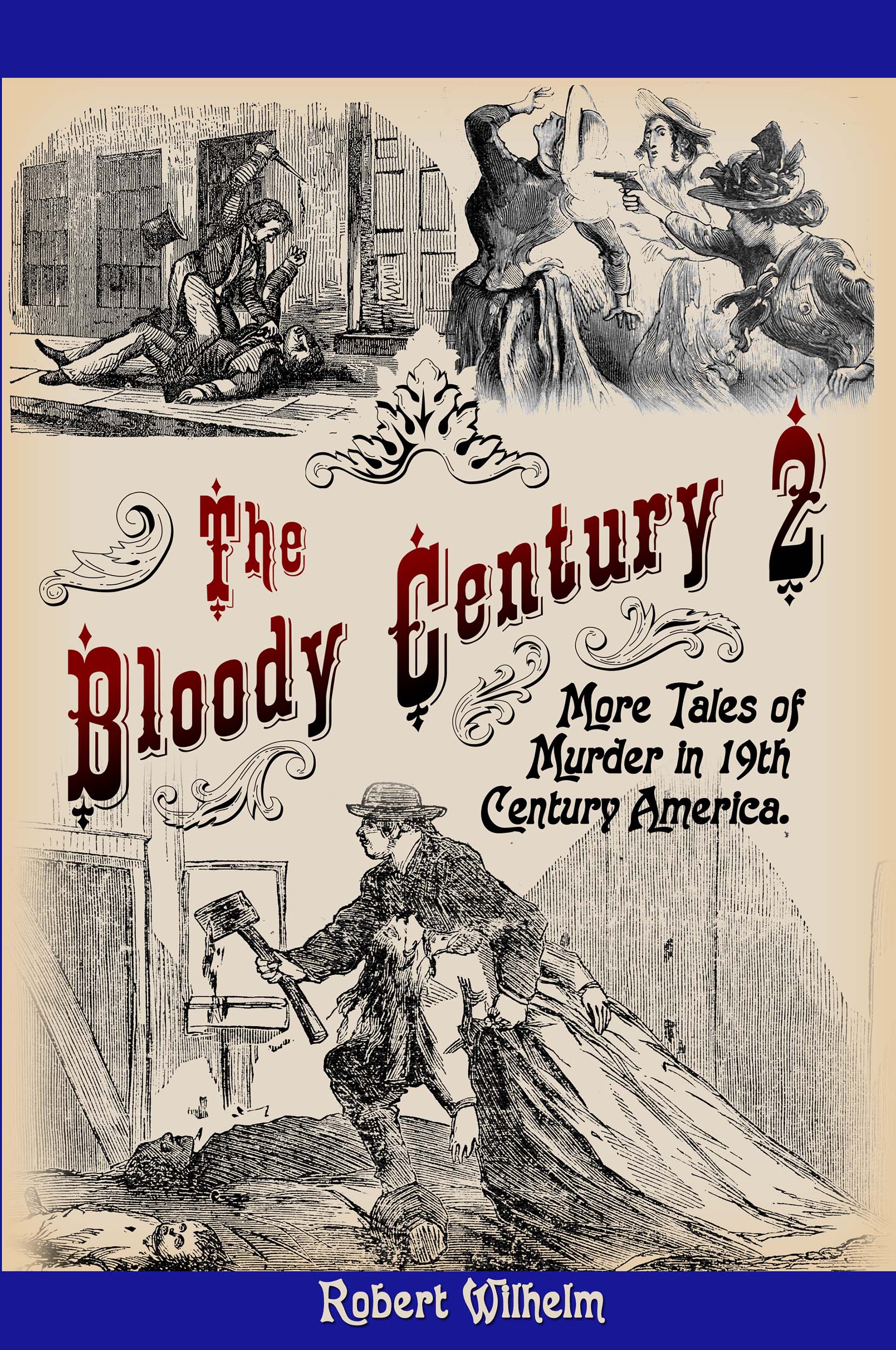
The Bloody Century 2
Takes the reader back to 19th-century America in all its gory glory.