
No. 226
Crime, Eccentricity, and the Sporting Life in 19th Century America.
October 27, 2014

A Substitute for a Wife.

October 27, 2014
...
...

Via Newspapers.comSome people could be said to create an “electric atmosphere.”This is not always a good thing.  The “Wells Journal,” December 9, 1993:A physicist claimed this week to have come up with evidence which completely exonerates pensioner Frank Pattemore for any involvement in the weird goings on with the electrical system at his home. For more than 11 years, Mr Pattemore's
More...
Strange Company - 4/1/2026
"As his son I am proud of hisefforts to succeed in life"Jefferson Randolph Smith IIIArtifact #93-2Jeff Smith collection(Click image to enlarge) oapy's son hires a legal firm to stop the defamation of his father's name. At age 30, Jefferson Randolph Smith III, Soapy and Mary's oldest son, was protecting his father's legacy and his mother's reputation from "libel" and scandal. He was also
More...
Soapy Smith's Soap Box - 10/13/2025
New York didn’t invent April Fools Day; this holiday might date back all the way to ancient Rome. But starting in the 19th century, April 1 in Gotham has been a day to celebrate with stupid pranks, outrageous hoaxes, the mocking of politicians and business leaders, and since 1986, a parade down Fifth Avenue. This […]
More...
Ephemeral New York - 3/30/2026
Youth With Executioner by Nuremberg native Albrecht Dürer … although it’s dated to 1493, which was during a period of several years when Dürer worked abroad. November 13 [1617]. Burnt alive here a miller of Manberna, who however was lately … Continue reading
More...
Executed Today - 11/13/2020
National Police Gazette, January 28, 1882Mrs. J.W. Gibbons was away from her home in Ashland, Kentucky, on December 23, 1881. She left behind her 18-year-old son Robert, her 14-year-old daughter Fannie, and 17-year-old Emma Thomas (aka Carico), who was staying with them. Mrs. Gibbons returned the following day to find her home burned to the ground and all three inhabitants dead.Read the full
More...
Murder By Gaslight - 3/28/2026
Whatever you believe about the guilt or innocence of Lizzie Borden, I have always believed film makers do a great injustice to the story by not beginning at the beginning- the death on March 26, 1863 of the first Mrs. Borden. In the dying moments of Sarah Morse, Emma takes on the weight of the care of her little sister, not yet three years old. Emma herself was just 12 on March 1st. Emma has seen her mother suffer for a long time, seen her pain and loss of little Alice Esther. Emma is old enough
More...
Lizzie Borden: Warps and Wefts - 3/26/2026
  [Editor’s note: Guest writer, Peter Dickson, lives in West Sussex, England and has been working with microfilm copies of The Duncan Campbell Papers from the State Library of NSW, Sydney, Australia. The following are some of his analyses of what he has discovered from reading these papers. Dickson has contributed many transcriptions to the Jamaica […]
More...
Early American Crime - 2/7/2019
Bulldozing a Voter. | "It Costs Money to Fix Things."

A Substitute for a Wife.

Substitute Wife

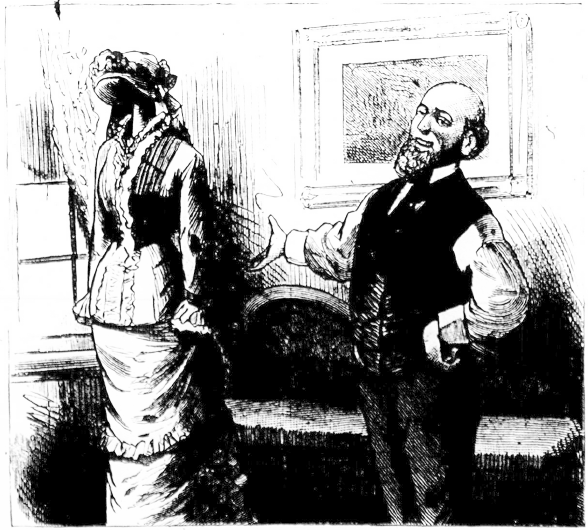
A disconsolate widower secures a dummy, and dresses it up in his wife’s clothing, just to humor a “little fancy;” New York City. [more]

A Dummy Made to Fill a Wife’s Place.—The Force of Habit.

The breezy Captain Marryat relates in one of his novels an incident illustrative alike of the wonderful force of habit and the facility of substitution, so to speak, in human nature. Its awful to think that one’s place in the world may be filled by a scrubbing brush, and yet the captain demonstrates the possibility of such a thing. A worthy old salt, so goes the chronicle, has been in the habit of sleeping with his hand on his wife’s head. She wore her hare close cropped, it is narrated, yet to the weather-beaten hand the stubble cushion seemed of downy softness, such is the power of infatuation and perfect sympathy.

The worthy tar all too soon became a widower, and when he stretched out his hand in his bed and found only smooth pillow beside him he could not sleep. Long and deeply was he troubled and the physicians tried in vain. Finally, he one night took the scrubbing brush to bed with him, placed it upside down on the pillow next to him, reposed his hand upon it and nature’s sweet restorer came swift on downy pinions to light upon his tear-sullied lids. Now, another widower, who states that he lives in New York, has written a letter to this office to state that he has had the extreme felicity of burying his wife, and that he misses her well-dressed form in the house he intends, instead of getting an old maid for a companion, to purchase as dress-maker’s dummy and dress it up four or fives times a year in the newest flounces and millinery wrinkles and so replace his loss.

“So long as the bills from the dressmaker come in regularly,” he writes, “I can still feel like a married man.”

From some subsequent allusions in this purported widower’s letter the suspicion grows that he is not what he pretends to be, but is, in fact, a married man who has failed to subscribe for the new fall number now due, and his faithful wife has grown acrimonious.


Reprinted from The National Police Gazette, October 23, 1880.