
No. 760
Crime, Eccentricity, and the Sporting Life in 19th Century America.
July 23, 2024
The Scandal Which Agitates St. Louis.
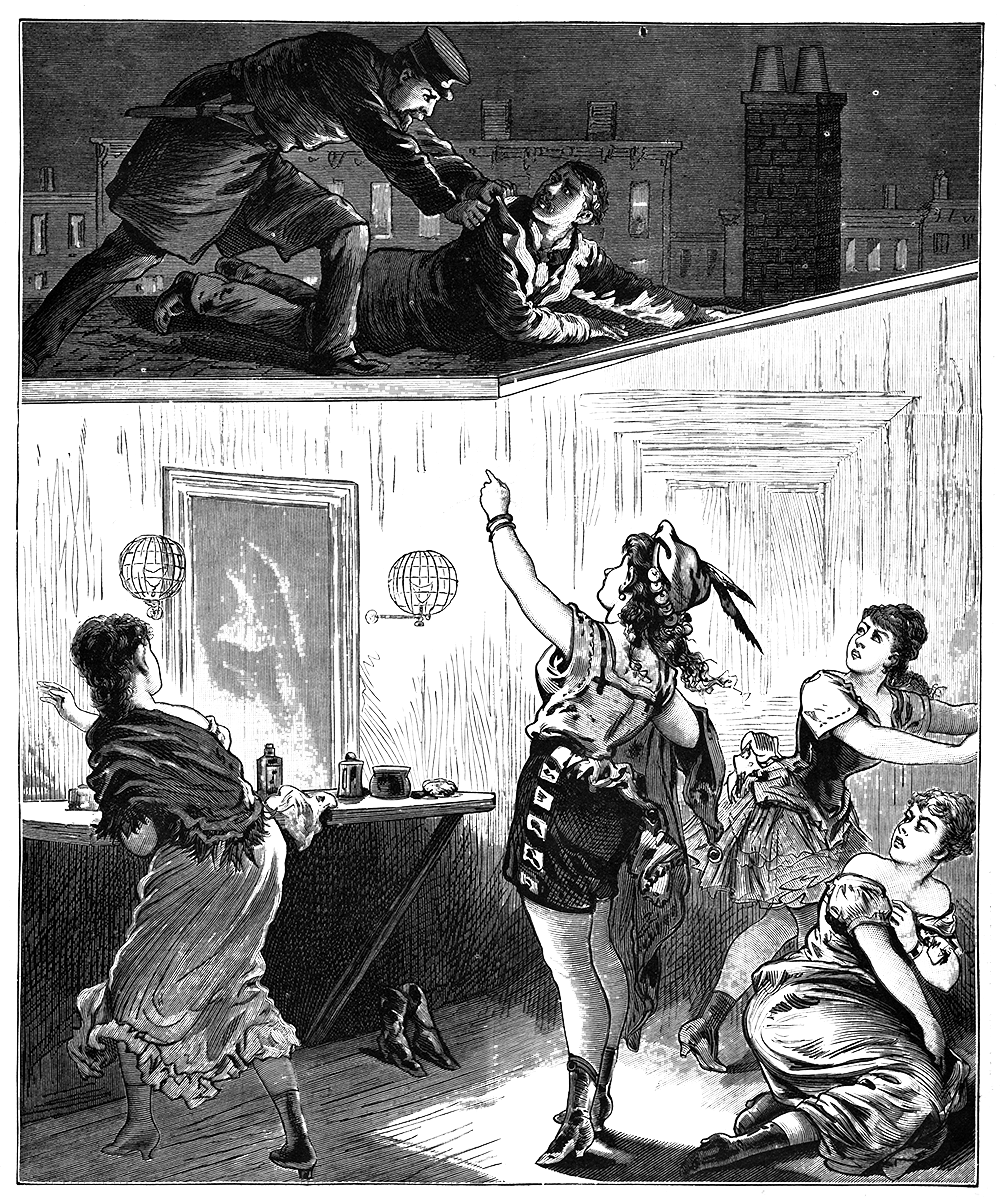
Astounding Revelations of a Low Cunning and Vile Curiosity in One of the Proprietors of the Grand Opera House.
July 23, 2024


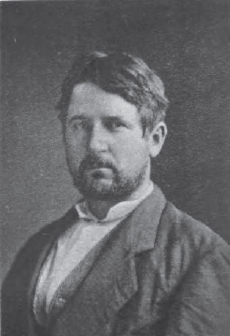
alias: , BAKER, BIG JIM, BOSTON J1M, etc, HAWKINS, JAMES BOYLE, JOHN BOWEN
SNEAK, BURGLAR
Welcome to this week's Link Dump!And you're just in time for afternoon tea!A flying horse in Staffordshire.A mysterious murder-suicide.New York's war against banana peels.The houseplant that can count.Fun and games in medieval London.Hitler's dress rehearsal for war.A coded letter from Napoleon has finally been deciphered.A woman is cleared of being a witch. Three hundred years after
More...
Strange Company - 10/9/2026
[Editor’s note: Guest writer, Peter Dickson, lives in West Sussex, England and has been working with microfilm copies of The Duncan Campbell Papers from the State Library of NSW, Sydney, Australia. The following are some of his analyses of what he has discovered from reading these papers. Dickson has contributed many transcriptions to the Jamaica […]
More...
Early American Crime - 2/7/2019


"As his son I am proud of hisefforts to succeed in life"Jefferson Randolph Smith IIIArtifact #93-2Jeff Smith collection(Click image to enlarge)
oapy's son hires a legal firm to stop the defamation of his father's name.
At age 30, Jefferson Randolph Smith III, Soapy and Mary's oldest son, was protecting his father's legacy and his mother's reputation from "libel" and scandal. He was also
More...
Soapy Smith's Soap Box - 10/13/2025
Laura D. Fair and Alexander P. CrittendenA prominent California legislator was sitting with his wife and son on board the Oakland-San Francisco ferryboat El Capitain the evening of November 3, 1870. They did not notice the woman approaching them, dressed entirely in black, wearing a broad-brimmed black hat with a black veil covering her face. From the folds of her dress, the woman
More...
Murder By Gaslight - 10/10/2026
Youth With Executioner by Nuremberg native Albrecht Dürer … although it’s dated to 1493, which was during a period of several years when Dürer worked abroad. November 13 [1617]. Burnt alive here a miller of Manberna, who however was lately … Continue reading
More...
Executed Today - 11/13/2020

 The sensation of sensations at St. Louis is the arrest of A.B. Wakefield, one of the proprietors of the Grand Opera House. It came about on a warrant sworn to by William Hyde, the editor of the Republican. The accusation is that Wakefield has been circulating statements that Hyde, Chief of Police McDonough and others have been running a gigantic gambling ring and making large sums of money, and that they dictated what houses should run, and shared the profits.
The Bloody Century 2
Takes the reader back to 19th-century America in all its gory glory.